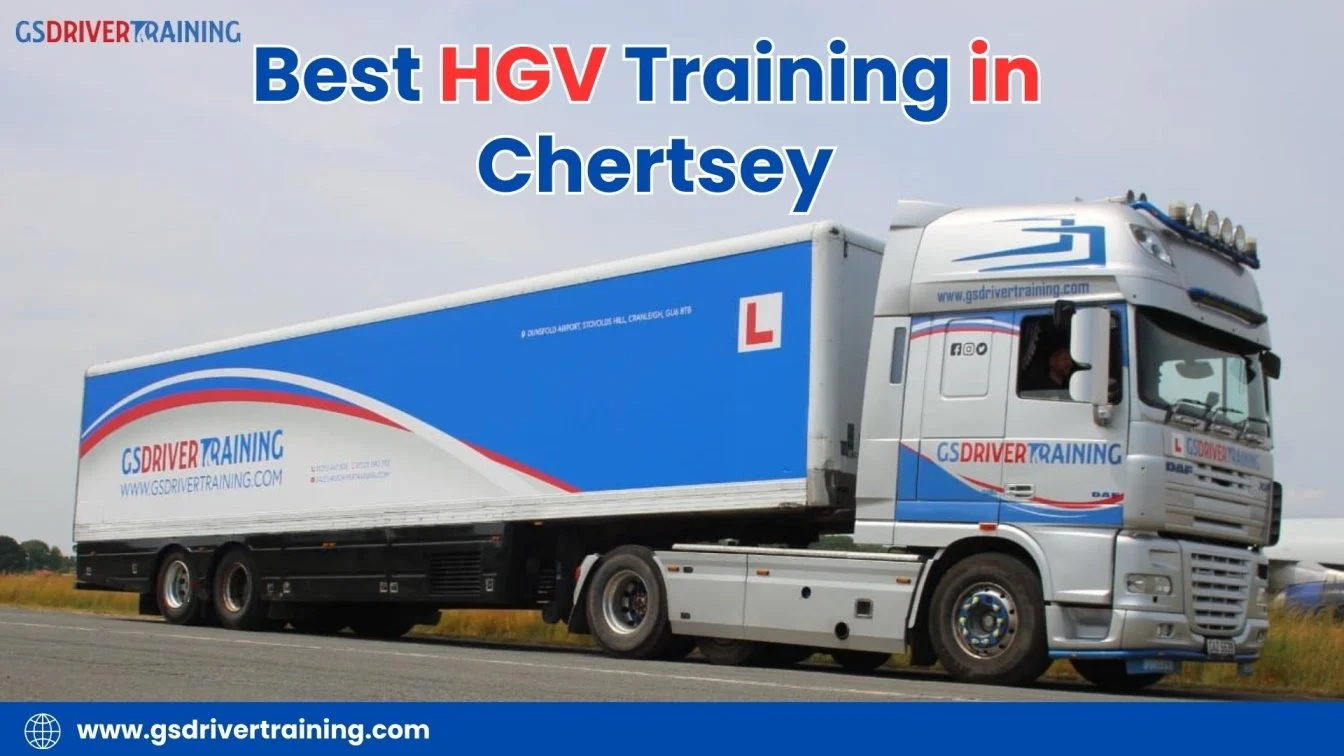
Get Your HGV Licence in Chertsey
Earning your HGV licence in Chertsey puts you right in the middle of a booming transport industry crying out for drivers. This means a secure job, great pay, and a clear career path. This guide breaks down everything you need to know: the different licence types, how to get trained step-by-step, the latest 2025 costs and how to fund it, the best local training centres, what jobs are available in Surrey, and practical tips for driving in the area. You’ll learn the difference between Class 1, Class 2, and C1 licences, what the medical and theory tests involve, and where to find top-notch training and modern lorries in Chertsey. We’ll also cover Driver CPC requirements, salary expectations, and funding options like Skills Bootcamps to help you make a smart investment and kickstart your lorry-driving career.
What HGV Licence Categories Can You Get in Chertsey?
Your HGV licence category dictates the size and weight of vehicles you can legally drive, ensuring you meet DVSA standards and open up more job opportunities. Getting the right training for your chosen category equips you with the specific skills needed for rigid or articulated vehicles, making you a safer and more efficient driver across Surrey. Knowing these categories helps you pick the perfect course, whether you’re aiming for local delivery routes or long-haul freight.
Here’s a quick look at the categories and what they allow you to drive:
This table helps you see which licence best fits your career ambitions, from smaller delivery vans to massive articulated lorries.
What Is a Class 1 HGV Licence (Category C+E) and Who Needs It?
A Class 1 HGV licence, also known as Category C+E, is your ticket to driving articulated lorries with trailers, up to a massive 44 tonnes. This is the licence you need for long-distance haulage, moving large quantities of goods or heavy machinery across the country. For example, a C+E driver might transport refrigerated goods between distribution hubs in Surrey, maximising their cargo capacity and earning potential.
Training for articulated vehicles covers everything from hitching and unhitching trailers to advanced reversing techniques and stability control. Your experienced instructor will guide you through proper load distribution, ensuring you meet DVSA standards and drive safely.
How Does Class 2 HGV Licence (Category C) Training Work in Chertsey?
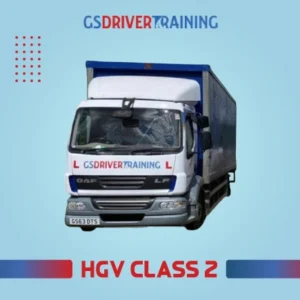
The Category C licence, or Class 2, allows you to drive rigid lorries weighing over 7.5 tonnes. This is perfect for local and regional deliveries where you need to navigate tighter spaces. Training includes classroom sessions on using tachographs and securing loads, alongside practical driving lessons on Chertsey’s roads. You’ll get hands-on experience with a modern rigid lorry, building the confidence you need for daily delivery runs to local businesses.
Most courses include DVSA-approved tuition, practice tests, and mock assessments to help you pass your tests quickly and efficiently.
What Is the C1 Licence and When Do You Need It?
The C1 licence covers vehicles between 3.5 and 7.5 tonnes. It’s a great stepping stone between a regular car licence and a full HGV licence, ideal for medium-weight commercial work. This licence is perfect for courier services, furniture removals, and local logistics where agility is more important than sheer size. For instance, C1 drivers are often seen making deliveries in suburban Surrey areas where larger lorries might struggle.
To get a C1 licence, you’ll need to pass the same medical and theory tests as Class 2 candidates. Your practical training will focus on handling these mid-sized rigid vehicles, ensuring you drive safely and legally.
How Do Licence Categories Affect Your Job Options in Surrey?
The licence category you hold directly impacts the types of jobs you can apply for. A Class 1 licence might open doors to long-haul supermarket deliveries, while a C1 licence could lead to roles supplying hospitals or smaller businesses. Higher licence categories generally mean higher pay – Class C+E drivers can earn up to £39,000 a year, while C1 drivers often find more flexible part-time work. By choosing the licence that matches local demand in Chertsey and the surrounding areas, you can significantly boost your job prospects and career growth.
Understanding how each category translates into job opportunities will help you make the best training investment and target roles with the best pay and hours.
How Do You Become an HGV Driver in Chertsey? Your Step-by-Step Training Journey
Becoming an HGV driver in Chertsey involves a clear process: meeting the basic requirements, passing a medical exam, acing the theory tests, completing practical training, and getting your Driver CPC. Each step ensures you’re fully qualified and legally compliant for professional driving. This structured approach guides you from your initial licence application all the way to getting job offers in Surrey.
- Check You’re Eligible – Make sure you meet the age, licence, and medical requirements.
- Apply for Your Provisional Licence – Submit your application to the DVLA with the necessary paperwork.
- Pass Your Medical Exam – Prove you’re physically fit to operate a large vehicle.
- Prepare for and Pass Your Theory Test – This includes multiple-choice questions and a hazard perception test.
- Complete Your Practical Training – Get hands-on experience for your chosen Class 1 or Class 2 licence.
- Get Your Driver CPC – Complete your initial and ongoing periodic training.
This roadmap ensures you know exactly what to expect, from signing up for training to landing your first HGV job in Chertsey.
What Are the Key Requirements for HGV Training in Chertsey?
To start HGV training, you’ll need a full UK car licence, be at least 18 for Category C1 and 21 for Category C and C+E, hold a valid provisional HGV entitlement, and have a clean medical report. These requirements ensure you have the basic driving skills and the necessary health to operate heavy vehicles safely. For example, passing the eyesight and cardiovascular checks during your medical is crucial for your safety and that of others on the road.
Meeting these criteria upfront will make booking your training much smoother and prevent any delays.
How to Prepare for Your HGV Medical Examination in Chertsey?
Your medical assessment checks your vision, hearing, blood pressure, and overall physical health to confirm you’re fit for long-distance driving and vehicle control. You’ll need to take a completed D4 medical form to an approved examiner. Remember to wear your glasses or contact lenses if you need them and be ready to discuss any medical conditions you have. Keeping your blood pressure in check, for instance, can help you avoid needing a retest and speed up your provisional licence application.
A quick check-up with your own doctor beforehand can help you identify any potential issues before your official DVLA examination.
What Does the HGV Theory Test Involve and How Can You Pass It?
The HGV theory test has two parts: 100 multiple-choice questions covering road safety, vehicle checks, and regulations, and a hazard perception test using video clips of real driving situations. You need to score at least 85% on the multiple-choice section and pass the hazard perception part to demonstrate your knowledge. Practising hazard perception clips online is a great way to get used to spotting potential dangers quickly.
Taking a structured revision course and doing mock tests can significantly improve your recall and reduce exam-day nerves.
How Is Practical HGV Training Delivered for Class 1 and Class 2 Licences?
Practical training for both Class 2 (rigid) and Class 1 (articulated) licences involves in-cab instruction, learning how to couple and uncouple trailers, and practising manoeuvres on local roads. Your instructor will teach you systematic vehicle safety checks before each session and guide you through advanced techniques like reversing into tight spots and managing trailer swing. For example, you’ll master reversing around a corner with an articulated lorry under expert supervision, boosting your spatial awareness.
Your lessons will be structured to match your learning speed, ensuring you’re fully competent before your DVSA practical test.
What Is Driver CPC and How Do You Complete Initial and Periodic Training?
Driver CPC (Certificate of Professional Competence) is a mandatory qualification for all HGV drivers. It requires 35 hours of initial training and a further 35 hours of refresher training every five years. Initial CPC training covers professional driving rules, industry best practices, and eco-driving techniques to improve safety and efficiency. Periodic training keeps your skills sharp in areas like load security, first aid, and risk assessment.
Completing your CPC training on time is essential to avoid any interruptions to your driving career and shows your commitment to professional development.
What Are the Costs of HGV Training in Chertsey in 2025? A Full Breakdown and Funding Options
Knowing the total cost of medicals, theory tests, practical lessons, and CPC is key to budgeting effectively and exploring funding options. In 2025, the total cost for HGV training typically ranges from £1,900 to £4,200, depending on the licence category. Even better, Skills Bootcamps can cover up to 100% of the costs for eligible candidates. A clear breakdown of these expenses will help you plan your budget and avoid any unexpected fees.
How Much Do Medical Exams and Provisional Licences Cost?
Medical examinations usually cost between £65 and £120, depending on the clinic. Applying for your provisional HGV entitlement is free in 2025. This medical check covers your vision, blood pressure, and general health, with prices varying between providers. Some clinics offer a combined service for your D4 form and licence application, which can save you time.
Booking your medical well in advance is a good idea to avoid any delays before your theory test date.
What Are the Theory and Practical Test Fees for HGV Licences?
The DVSA theory test costs £65 per attempt, and the practical test is £115. This fee covers both the manoeuvring section and the on-road driving assessment. If you need to retake a test, the fees are the same, so thorough preparation is key to minimising extra costs. Attending practice sessions with a qualified instructor can significantly reduce your chances of needing to retake a test, speeding up your overall training time.
Aiming for first-time passes will help keep your total training costs down.
How Do Training Course Fees Differ Between Class 1 (C+E) and Class 2 (C)?
Training for a Category C rigid licence typically costs between £1,800 and £2,800. For a Category C+E articulated licence, you can expect to pay between £2,650 and £3,250, reflecting the extra training involved in handling trailers. Class 1 courses often include more simulator time and longer on-road sessions to master articulated vehicle control. Advanced modules on trailer coupling are often included in Category C+E packages to build trainee confidence for large-scale haulage.
Comparing the details of different course structures and the quality of the vehicles used will help you choose the best training provider for your needs.
What Are the Expenses for Driver CPC Qualification and Periodic Training?
Initial Driver CPC training costs around £100 to £300 and covers the essential modules for professional driving. The 35 hours of periodic training required every five years typically range from £250 to £600. These refresher courses update you on new regulations, load security best practices, and emergency first aid. Some providers offer combined modules, such as first aid alongside CPC updates, which can save you time and money.
Investing in combined CPC packages can offer significant savings in both time and cost compared to booking individual modules.
Who Qualifies for Skills Bootcamps and How to Apply in Chertsey?
Skills Bootcamps offer fully or partially funded HGV training for eligible individuals, including those who are unemployed, on low incomes, or referred by Jobcentre Plus in Hertfordshire or Surrey. You’ll need to fill out a short application form showing your commitment to a driving career and attend an initial interview. If successful, you could get up to 100% funding for Category C and C+E training, covering everything from medicals to practical lessons.
Applying early for these limited Bootcamp places is crucial to secure the maximum subsidy and reduce your personal expenses.
Which Are the Best HGV Training Schools and Providers Near Chertsey?
When choosing a training provider, look for high DVSA pass rates, modern vehicle fleets, experienced instructors, and comprehensive course packages. The best centres in Surrey offer all-inclusive deals that cover everything from your medical to your CPC, often with career support and help finding a job. Evaluating these factors will help you find a provider that matches your learning style and career goals.
- Pass Rates and Reputation – Aim for schools with DVSA pass rates above 70%.
- Vehicle Fleet and Facilities – Modern lorries and trailers help you learn faster.
- Instructor Quality – Look for qualified trainers with plenty of real-world experience.
- Course Flexibility – Check if they offer intensive or part-time options to suit your schedule.
What Makes a Top HGV Training School in Surrey?
A leading training provider combines excellent DVSA licence pass statistics with personalised learning plans, modern simulators, and supportive mentoring. This all-round approach caters to everyone, from nervous beginners to experienced drivers looking to upgrade. For example, schools that keep group sizes small and tailor lesson pacing can help you stay focused and learn more effectively.
These quality indicators often lead to quicker licence acquisition and stronger references for job applications.
How Do Training Facilities and Fleets Impact Your Learning Experience?
Having access to a variety of modern rigid and articulated lorries means you’ll get familiar with the latest vehicle technology and safety features. Dedicated training yards and DVSA test routes in Chertsey provide realistic practice environments, helping you develop strong road risk management and route planning skills. For instance, practising urban manoeuvres on actual test roads builds your confidence in challenging traffic situations.
Training in up-to-date facilities helps you progress steadily and shorten your learning curve.
What Do Trainees Say? Reviews and Success Stories from Chertsey Drivers
Local trainees often praise comprehensive packages that include medical checks, theory coaching, and practical sessions. They frequently mention friendly instructors and helpful career support. Many success stories highlight quick job placements with local haulage companies and smooth transitions from provisional licence to Class 1 certification. For example, one recent graduate landed a full-time national logistics role just weeks after finishing their CPC modules.
Positive feedback from other drivers is a strong indicator of a provider’s reliability and the effectiveness of their training.
How to Choose Between Intensive and Flexible Training Options?
Intensive courses pack all your theory and practical training into consecutive days, perfect if you can dedicate your full time to learning. Flexible schedules spread lessons out over weeks or months, which is ideal if you need to balance training with work or family commitments. Consider your personal learning style, budget, and how much time you can realistically commit when deciding which option is best for you.
Matching the course intensity to your lifestyle can improve your learning retention and prevent burnout.
What Are the Career Prospects and Job Opportunities for HGV Drivers in Chertsey and Surrey?
The ongoing shortage of HGV drivers across the UK since 2021 means there are plenty of job openings in Chertsey and the wider Surrey area. Roles range from supermarket deliveries and regional haulage to specialised transport. Employers highly value drivers with up-to-date CPC records and multiple licence categories, often offering competitive salaries, flexible shifts, and even training sponsorships. By getting the right licence for the current market demand, you can secure better positions and earn more through overtime.
How Does the UK HGV Driver Shortage Affect Your Employment Chances?
The national shortage of qualified HGV drivers means there’s high demand for new drivers, leading to faster recruitment processes and even sign-on bonuses. This shortage is partly due to factors like Brexit and delays in licence processing caused by the pandemic. As a result, newly qualified Category C+E drivers can often expect immediate job offers and support for career advancement.
Capitalising on this trend can lead to a stable income and rapid career progression in the logistics sector.
What Salaries Can You Expect for Class 1 and Class 2 HGV Drivers in Chertsey?
Class 2 drivers typically earn between £24,000 and £30,000 per year. Class 1 (C+E) drivers can expect higher salaries, ranging from £30,000 to £39,000, depending on factors like mileage and shift patterns. Additional overtime and handling specialist loads, such as refrigerated goods, can further increase your earnings. For example, articulated lorry drivers who work night shifts often command higher rates for time-sensitive deliveries.
Negotiating your salary based on your licence category, CPC status, and experience can help you maximise your take-home pay.
Where to Find Local HGV Driver Jobs and How Training Supports Placement?
You can find numerous HGV job listings on online job boards, through local recruitment agencies, or by applying directly to haulage companies in Chertsey. Many reputable training providers have established partnerships with employers, which can help facilitate interviews and trial shifts for their graduates. Some training centres even host regular job fairs, connecting newly qualified drivers with regional distribution companies.
Leveraging your training provider’s network can significantly speed up your entry into a professional driving career.
What Does a Typical Day Look Like for an HGV Driver in Surrey?
A typical day starts with pre-trip vehicle inspections, followed by route planning to ensure efficient delivery schedules and fuel usage. Drivers then load their cargo, record compliance data using digital tachographs, and navigate urban roads or motorways, staying in touch with dispatch for real-time updates. Mandatory breaks and rest periods are crucial for adhering to safety regulations.
This structured routine highlights the importance of thorough training and up-to-date CPC certification.
How to Navigate HGV Training in Chertsey: FAQs and Common Questions Answered
This section provides answers to common questions about training durations, licence progression, potential hidden costs, and how to keep your Driver CPC up-to-date. Addressing these concerns can help you avoid costly mistakes, manage your schedule effectively, and maintain your professional qualifications over time.
How Long Does HGV Training Take in Chertsey?
Standard Category C training usually takes between two and four weeks of full-time study. Category C+E courses typically require three to six weeks, including time for trailer coupling practice and mock tests. The exact duration can vary depending on your learning speed, the intensity of the course, and how quickly you can get test slots. Intensive courses offer a condensed schedule, while flexible options spread the training over several months.
Planning your training around your personal commitments will help you complete all the necessary steps efficiently.
Can You Start Class 1 Training Directly from a Car Licence?
Yes, recent DVLA rules allow you to go directly from a full UK car licence to Category C+E training without needing to get a Category C licence first. This can significantly speed up your journey to driving articulated lorries. However, you must still meet the age requirement (minimum 21), pass your medical, and complete the theory tests before you can start. This streamlined process can reduce both the time and cost of your training.
Understanding the specific eligibility requirements upfront can prevent administrative delays.
What Are the Hidden Costs and Retest Fees to Watch Out For?
Be aware of potential extra costs such as additional in-cab practice hours (often £50–£80 per session), DVSA retest fees (£65 for theory, £115 for practical), and charges for retaking CPC modules (£50–£100 per module). You might also need to factor in travel expenses to the training centre or accommodation costs if you’re doing an intensive course. Budgeting for these possibilities will help you avoid unexpected expenses and keep your training on track.
Considering all potential fees will ensure your training plan remains financially manageable.
How to Maintain Your Driver CPC Qualification Over Time?
Your periodic CPC requires 35 hours of refresher training every five years. These courses cover updated safety regulations, load security, and eco-driving techniques. Make sure to keep your Driver CPC record card updated and schedule your training well before your current qualification expires to avoid any interruptions to your driving. Many training providers offer modular courses that combine different subjects, like first aid and industry updates, to make the process more efficient.
Staying ahead of your renewal deadlines is key to maintaining your professional driving status without any breaks.
Where Are HGV Training Centres Located in Chertsey? Maps and Local Test Route Insights
Training centres in and around Chertsey are conveniently located near major roads and DVSA test centres, making them easily accessible for local and regional practice. Understanding common test routes, such as the A320 urban circuit and M25 motorway access points, will help you prepare for real-world driving conditions. Being aware of local weather and traffic patterns can also help you plan your lessons more effectively and reduce stress during your practical assessments.
What Are the Main Training Centre Locations Near Chertsey?
Key training centres are situated near Central Avenue and Woolmarket Road, close to industrial parks and Chertsey train station for easy commuting. Additional depots in Addlestone and Woking offer access to a wider range of vehicles and driving routes. These locations serve as convenient starting points for DVSA test routes, ensuring you become familiar with the examination environment.
Training in areas with diverse driving conditions helps you develop well-rounded driving skills.
How Do Local Driving Conditions and Test Routes Affect Your Training?
Chertsey’s mix of narrow town streets, busy roundabouts, and high-speed motorway junctions requires versatile driving skills and good anticipation. Training on sections of the A3 and near St. Peter’s Hospital prepares you for both congested urban driving and faster dual-carriageway scenarios. For example, practising lane discipline on M25 slip roads can help you avoid common errors during your test.
Tailoring your lessons to the specific characteristics of local routes builds your confidence and competence on the road.
How to Plan Your Training Schedule Around Local Traffic and Weather?
Scheduling your practical lessons during quieter times, like mid-morning or early afternoon, can help you avoid delays caused by rush-hour traffic. Checking seasonal weather forecasts, especially for fog along the River Thames, allows you to schedule extra practice for braking in wet conditions and driving in low visibility. Planning ahead with your instructor ensures your lessons can continue smoothly, even if unexpected weather conditions arise.
Adjusting your lesson times to align with local traffic patterns can speed up your skill development and prepare you better for your test.
Getting your HGV licence in Chertsey opens up a world of career possibilities, from local deliveries to national haulage, with clear training pathways and attractive funding options. By understanding licence categories, training steps, 2025 costs, and Driver CPC requirements, you’ll have a solid plan for achieving your qualification. Choosing a training provider with modern vehicles, high pass rates, and strong industry connections will position you for immediate job opportunities in Surrey’s thriving logistics sector. Use this guide to confidently navigate every step and launch a rewarding career as a professional driver.
Most-booked by Chertsey learners:
- Direct-Access C+E — 24 / 28 / 32 / 36 / 40 hours
- Cat C (Class 2) — Rigid HGV
- Cat C1 — 3.5–7.5t (incl. ambulance)
- D1 (Minibus) & D1+E — 8 / 12 / 16 hours
- Driver CPC — Initial & 35-hour Periodic
Train smart. Pass first time. Drive a better future.