Your Ultimate Guide to HGV Training in Dorking: Get Licensed and Kickstart Your Career
Looking for HGV Training in Dorking and ready to drive your career forward? Becoming a qualified HGV driver in Dorking means unlocking stable jobs, great pay, and real career growth in the UK’s vital logistics sector. This guide covers everything you need to know: the different HGV licence types, how much it all costs and where to find funding, what’s in the training courses, how to pick the best school, job prospects right here and across the UK, what’s new in the industry, and answers to all your burning questions. We’ll walk you through every step – from understanding licence classes and medical checks to picking a training provider with a great pass rate and even looking at electric vehicle training. Get ready to launch your HGV career with confidence and ease.
What HGV Licence Categories Can You Get in Dorking?
Your HGV licence category dictates exactly which heavy goods vehicles you’re legally allowed to drive, all based on weight and how the vehicle is set up. This is crucial for keeping our roads safe and ensuring everyone follows the rules. Categories C1, C, and C+E each need specific training approved by the DVSA, and getting the right one opens up a world of opportunities in freight, distribution, and logistics.
HGV Licence vs. LGV Licence: What’s the Difference?
An HGV licence, or Heavy Goods Vehicle licence, lets you drive vehicles weighing over 3.5 tonnes. In the UK, LGV, or Large Goods Vehicle, is just another term used in the regulations, meaning the same thing. Having the correct licence category shows you meet the Driver and Vehicle Standards Agency (DVSA) standards, which is essential for professional driving roles and for meeting your Driver CPC requirements.
What Vehicles Can You Drive with C1, C, and C+E Licences?
Each licence category you train for unlocks the ability to drive different types of vehicles:
- C1: This covers rigid lorries weighing between 3.5 tonnes and 7.5 tonnes gross vehicle weight.
- C: This is for rigid HGVs over 7.5 tonnes – think larger delivery vans and smaller rigid trucks.
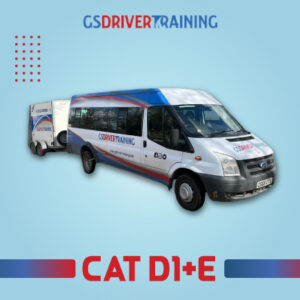
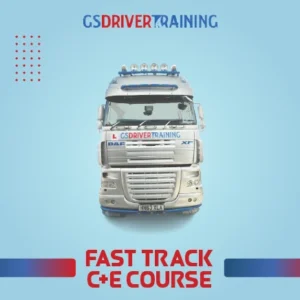
- C+E: This licence allows you to drive articulated vehicles, meaning a lorry with a trailer attached, also over 7.5 tonnes.
These categories ensure drivers are qualified to handle everything from local delivery vans to massive long-haul articulated lorries.
How Do Licence Categories Shape Your Career Path?
Choosing the right licence category can significantly boost your job prospects:
- If you have a C1 licence, you’ll likely find work in local delivery and courier services.
- A C licence qualifies you for roles in regional haulage and the construction industry.
- Drivers with a C+E licence are in high demand for national and international freight operations, often commanding the highest salaries.
The more licence categories you hold, the wider your job options and earning potential become.
What Are the Steps to Getting Your HGV Licence in Dorking?
To get any HGV licence category, you’ll follow a clear, five-step process:
These stages, guided by experienced instructors, ensure you’re fully prepared, confident, and meet all UK legal and safety standards.
How Much Does HGV Training Cost in Dorking? What’s Included?
Knowing the costs upfront helps you budget wisely and avoid any nasty surprises. Standard course fees usually cover the essentials: your medical check, theory and hazard perception tests, practical driving lessons, exam fees, and your Driver CPC modules. These are all provided by official training centres close to Dorking.
Typical Costs for C1, C, and C+E Training Courses
These packages often include access to modern lorries, free study materials for your theory test, and flexible lesson times to help you pass first time.
What Extra Costs Should You Budget For?
Besides the main course fees, remember to factor in costs for:
- The DVSA theory test and hazard perception fees.
- Booking your practical driving test for each licence category.
- Your medical examination appointment.
- Any fees for retests if needed, or for your practical CPC (module 4) session.
Planning for these expenses early means you can complete your training smoothly without any unexpected delays.
Are There Government Grants or Funding for HGV Training in Dorking?
Yes! The UK government’s Skills Bootcamps programme offers subsidised training for Cat C or C+E licences until February 2026. This can cut your course costs by up to 70% if you’re eligible. You might also find support through apprenticeship schemes or local grants that can help cover training expenses and boost your logistics career.
How Can You Pay for Your HGV Training?
There are several flexible ways to finance your training:
- Many training centres offer interest-free payment plans.
- Look into government-backed loans and grants designed for professional qualifications.
- Some haulage companies offer sponsorship or job-guarantee schemes where they’ll help fund your training in exchange for a commitment to work for them.
These options mean you can start your training right away and spread the cost over manageable monthly payments.
What Does HGV Training in Dorking Cover? Course Content and Requirements
HGV training in Dorking is a comprehensive programme that includes medical checks, theory preparation, hands-on driving lessons, and Driver CPC certification. This ensures you meet all the legal and safety standards for professional driving. Reputable training centres design their courses to build your skills in vehicle control, understanding road rules, and managing loads safely.
Medical and Theory Test Requirements for HGV Training
First, you’ll need to pass a medical examination approved by the DVSA. This checks your eyesight, heart health, and general fitness to ensure you’re safe on the road. Once you have medical clearance, you’ll tackle the theory tests, which cover everything from traffic laws and load safety to spotting hazards. This knowledge is the foundation for your practical driving skills.
How Practical Driving Training Works for Different Licences
The practical training is tailored to each licence category:
- C1: You’ll practice specific manoeuvres for rigid vehicles and driving in urban environments.
- C: Training focuses on handling larger rigid lorries on various regional roads, including dual carriageways.
- C+E: This involves learning to couple and uncouple trailers, master reversing with articulated vehicles, and driving on motorways.
The training progresses from basic exercises in a controlled environment to more complex on-road situations, building your confidence and expertise.
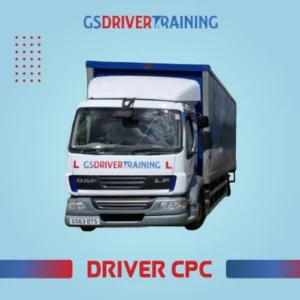
What is Driver CPC and Why Do HGV Drivers Need It?
Driver Certificate of Professional Competence (CPC) is a qualification for professional drivers. After your initial training and tests (modules 2 and 4), you’ll need to complete 35 hours of refresher training every five years. Driver CPC ensures you maintain high standards of safety, helps reduce accidents, and meets the professional driving standards required across Europe.
How Long Does HGV Training Usually Take in Dorking?
The time it takes can vary depending on the licence category:
- Cat C1: Typically 3–4 days, including your tests.
- Cat C: Around 4–5 days, combining theory and practical sessions.
- Cat C+E: Usually 6–8 days, covering the specifics of articulated vehicles.
With efficient course planning and expert instructors, you could be fully licensed in as little as a week for the basic categories.
How to Pick the Best HGV Driving School in Dorking?
Choosing the right training provider is key to achieving a high pass rate and getting your licence smoothly. Look for DVSA accreditation, experienced instructors, a modern fleet of vehicles, and good support for finding a job afterwards.
What to Look For in Instructors and Training Facilities
Top training centres have DVSA-approved instructors who have real-world commercial driving experience and can offer personalised coaching. The facilities should include a variety of rigid and articulated lorries, a dedicated yard for practising manoeuvres, and comfortable classrooms for theory and CPC lessons.
How Do Pass Rates and Reviews Help You Decide?
Schools with consistently high pass rates (over 80%) usually have effective teaching methods and prepare you thoroughly for the tests. Real customer reviews offer valuable insights into the training experience, the helpfulness of the staff, and the overall satisfaction levels.
Why Choose a Local Training Provider Near Dorking?
Training locally means you’ll be close to the DVSA test centres, making logistics easier. It also reduces travel time and allows for more flexible lesson scheduling. Local schools often have strong connections with employers in the area, giving you a potential advantage when looking for job opportunities.
How Do Flexible Schedules and Packages Impact Your Training?
Schools that offer evening, weekend, or intensive block courses can be ideal if you’re currently working. Comprehensive training packages that bundle theory revision, practical lessons, and Driver CPC modules can save you money and ensure a well-rounded, streamlined learning experience.
Career Prospects for HGV Drivers in Dorking and the UK
In 2025, qualified HGV drivers are in high demand, with excellent job prospects, competitive salaries, and a wide range of roles available across logistics, retail, and construction. New trends like the growth of e-commerce and a focus on sustainability are creating even more career paths.
The HGV Driver Shortage and Job Availability
With an estimated shortage of up to 40,000 drivers needed each year, transport companies are actively recruiting. Many are offering attractive sign-on bonuses, relocation assistance, and career development opportunities to attract skilled drivers.
What Salary Can You Expect as an HGV Driver in 2025?
New HGV drivers can expect starting salaries of around £25,000 per year. Experienced drivers with a C+E licence can earn up to £55,000 annually. Additional pay for long-distance driving, night shifts, or handling special types of loads can significantly increase your overall earnings.
What Types of HGV Driving Jobs Are Out There?
Opportunities range from local delivery and supermarket distribution to national freight, tanker transport, and container logistics. Specialist roles, such as those involving hazardous materials (ADR) or operating vehicles with cranes (HIAB), often require extra qualifications but come with higher pay rates.
How Can Qualifications Like ADR or HIAB Boost Your Career?
Adding ADR (for hazardous goods) or HIAB (for operating a crane) certifications to your licence makes you a more versatile driver. This opens up specialised, often higher-paying roles in sectors like chemical transport, construction, and plant hire, making your CV stand out.
Latest Trends and Future Developments in HGV Training
The HGV industry is rapidly evolving with the introduction of electric vehicles, advanced driver-assistance systems, and new government support schemes. These changes are shaping the training needed for new drivers and the future of the profession.
How Electric and Autonomous HGV Tech Affects Training
Training now includes modules on electric HGV systems, like battery management and regenerative braking. Drivers also need to understand how to use and manage new assistive technologies, such as adaptive cruise control and lane-keeping systems, ensuring they can operate safely alongside these advancements.
Government Support for HGV Training Until 2026
The government continues to support HGV training through Skills Bootcamps and apprenticeship grants, which help subsidise Cat C and C+E courses. New funding is also available to encourage training for electric HGV operation and the development of related infrastructure.
How the UK Logistics Industry is Changing for New Drivers
The boom in e-commerce and the shift towards electric fleets mean new roles are emerging, focusing on fast urban deliveries, compliance with low-emission zones, and efficient route planning using data. Drivers who are comfortable with technology and environmentally aware will have a distinct advantage.
Your Top Questions About HGV Training in Dorking Answered
Understanding the typical training times, entry requirements, costs, and certification process will make your journey to becoming a professional HGV driver in Dorking much clearer.
How Long Does HGV Training Typically Take?
Most Cat C1 courses are completed in 3–4 days. Cat C training usually takes 4–5 days, and Cat C+E courses typically require 6–8 days. This can depend on how intensive the course is and any previous driving experience you have.
What Do I Need to Become an HGV Driver in Dorking?
You’ll need a full UK car licence, to pass a DVSA medical examination, complete the theory and hazard perception tests, undertake practical driving lessons, and obtain your Driver CPC certification.
What’s the Average Cost of HGV Training in the UK?
Expect to pay between £700–£850 for Cat C1 training, £1,200–£1,400 for Cat C, and £2,575+ for Cat C+E. These prices generally include all the essential training elements and test bookings.
What is Driver CPC and How Do I Get It?
Driver CPC involves passing initial qualification tests (modules 2 and 4) and then completing 35 hours of periodic training every five years. You’ll need to attend approved training sessions to maintain your certification.
Are There Any Free or Subsidised HGV Training Options?
Yes, eligible individuals can access Skills Bootcamps and apprenticeship grants that can cover up to 70% of Cat C or C+E course fees until February 2026. This significantly reduces the initial cost and helps you get into the profession faster.
Becoming an HGV driver in Dorking means joining a thriving, in-demand profession with excellent opportunities for career growth and specialisation. By choosing accredited training, exploring funding options, and considering extra qualifications, you’ll gain the skills and credentials for a fulfilling career. Get in touch with local training providers today, book your assessments, and start driving your future forward!