LGV Training UK: Complete Guide to HGV Courses, Costs, and Driver Requirements
LGV training (also referred to as HGV training) prepares drivers to operate large goods vehicles safely and legally, and it is essential for anyone aiming to work in logistics, delivery, construction or long-haul freight. This guide explains licence categories, the training pathways for Class C, C+E and C1 entitlements, the cost components you should budget for, and the medical and administrative requirements needed to progress from provisional entitlement to a fully qualified driver. Many career changers and employers struggle to navigate the multiple stages—medical, theory and practical testing plus Driver CPC periodic training—and this article lays out a clear, step-by-step roadmap. You will find comparisons of vehicle entitlements, sample costs and funding routes, a checklist for provisional licence application, and guidance for choosing reputable training providers near you. Read on to compare LGV class options, estimate overall training cost, complete the necessary HGV medical exam, and understand post-training career and salary prospects in the 2026 UK market.
rovisional-licence”>HGV medical exam, and understand post-training career and salary prospects in the 2026 UK market.What Are the Different LGV Licence Categories and Their Training Options?
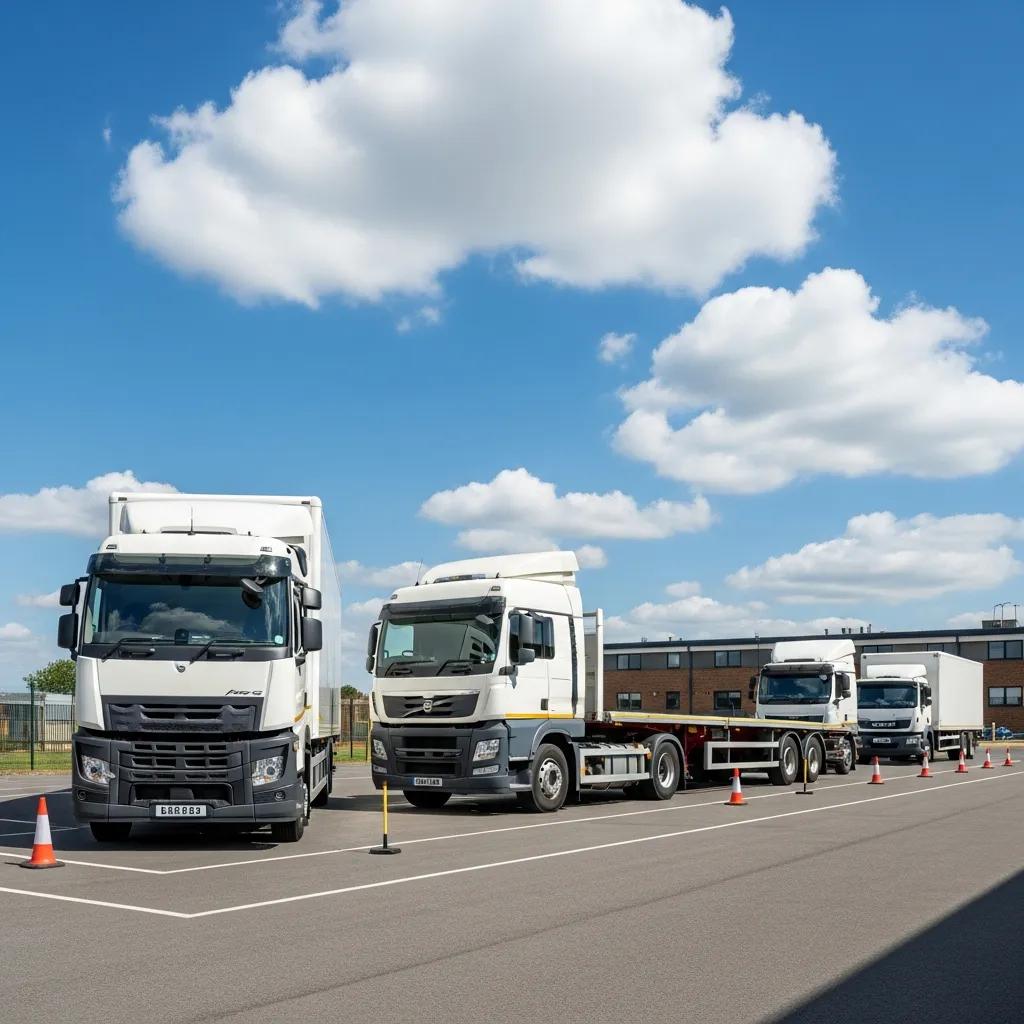
LGV licence categories define the vehicles you can drive and the specific training required: each category adds legal entitlement and practical competence through a combination of theory, hazard perception and driving assessments. Understanding the distinction between Class C (rigid), Class C+E (articulated) and C1 (7.5 tonne) is the first step to selecting the right course and employer fit. Training options typically include modular courses that cover the medical, theory, practical lessons, and Driver CPC modules, with course durations tailored to the licence complexity. Choosing the correct licence depends on vehicle types, job tasks and progression goals; the next section gives a compact comparison to help decide which path to follow.
Different licence types correspond to specific vehicles and common employer uses:
| Licence Category | Vehicles Permitted | Typical Uses / Employers |
|---|---|---|
| LGV Class C (C) | Rigid lorries over 3.5 tonnes (no trailer) | Local and regional deliveries, municipal services, construction fleets |
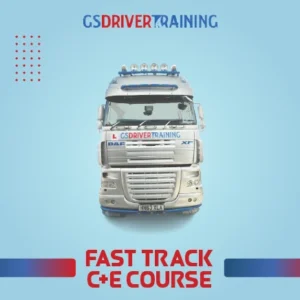
| LGV Class C+E (C+E) | Articulated lorries, tractor-units with trailers | Long-haul freight, national distribution, logistics operators |
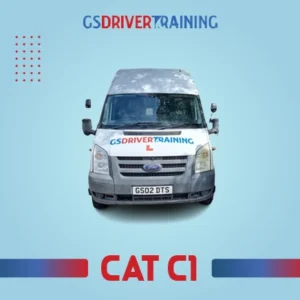
| LGV C1 (7.5 tonne) | Medium rigid vehicles up to 7.5 tonnes | Last-mile delivery, small van replacement roles, light commercial fleets |
This table clarifies which licence best fits common commercial roles and helps readers select training that aligns with their intended employment.
What Vehicles Can You Drive with LGV Class 1 Training?
LGV Class 1 (C+E) entitlement authorises the driver to operate articulated combinations such as tractor-units with semi-trailers and rigid units towing large trailers, and the training emphasises coupling, reversing and weight distribution. Class 1 drivers commonly work in long-haul logistics, national distribution and specialist haulage where combinations carry palletised or containerised freight, so the training includes prolonged on-road hours to simulate real routes. Training for C+E is more intensive than rigid classes, with practical lessons focusing on articulation pivot points, trailer swing and securing loads; equipping drivers with the confidence to operate on motorways and multi-axle configurations reduces incident risk. Understanding these vehicle specifics helps candidates choose appropriate block bookings and lesson packages suited to articulated operations.
How Does LGV Class 2 Training Differ from Class 1?
LGV Class 2 (C) training focuses on rigid lorries rather than articulated combinations, and it emphasises manoeuvring a larger single-unit vehicle in urban and regional settings. Employers such as local authorities, builders merchants and retail distribution centres commonly recruit Class 2 drivers for shorter routes where manoeuvrability and frequent stops matter, so training concentrates on reversing, bay loading and tight urban navigation. Practical lesson time is typically shorter than for Class 1 because coupling skills are not required, but the course still covers road positioning, heavy-vehicle braking dynamics and load safety. For many drivers the Class C route is a stepping stone: after gaining experience and hours, drivers often progress to Class C+E to broaden opportunities in long-distance haulage.
How Much Does LGV Training Cost in the UK?

Estimating LGV training cost requires adding tuition, medical, theory and practical test fees, plus the expense of additional lessons if first-time pass rates are not achieved. Costs vary by licence type—C1, C, and C+E—with articulated (C+E) courses typically the most expensive due to longer practical training hours and specialised vehicles. Budgeting should discriminate between one-off administrative fees and lesson-hour costs, and trainees should factor in incidental costs such as travel to test centres and potential overnight stays for distant bookings. The table below breaks down typical cost components across common course packages to give a practical budgeting baseline.
| Course Type | Cost Component | Typical Cost / Note |
|---|---|---|
| C1 (7.5t) | Tuition & practical lessons | £800–£1,500 depending on hours required |
| C | Tuition, practical & theory | £1,000–£2,000; includes more lesson hours than C1 |
| C+E | Full training package | £1,500–£3,000; higher due to coupling practice and longer road time |
| All types | Medical exam | £100–£200 depending on provider |
| All types | Theory & practical tests | DVSA fees vary; expect around £115 for theory and hazard perception combined, and £115–£150 for practical tests |
This comparison helps trainees plan savings or funding applications and decide whether employer sponsorship or staged training is needed to cover higher C+E costs.
What Are the Typical Fees for Medicals, Theory, and Practical Tests?
Medical examinations verify that candidates meet the fitness standards required for HGV operation, and fees reflect clinician time for vision, blood pressure and medical history review. DVSA theory and hazard perception tests are standard across licence classes and are typically charged per test booking, while practical tests for driving and coupling have separate fees; trainees should also budget for extra instructor hours if initial attempts fail. Practical advice includes booking theory tests early to avoid delays and consolidating lessons into block bookings to reduce per-hour costs. Planning these administrative steps reduces downtime and keeps training timelines predictable.
Typical medical and test cost considerations include:
- Medical exam: appointment fee that covers eyesight, blood pressure and medical history review.
- Theory and hazard perception: per-test booking fee; must be passed before the practical test.
- Practical driving and coupling tests: separate DVSA fees, plus instructor charge for the test day.
Booking strategy and realistic allowance for retests help manage overall spend and speed up qualification time.
Which Funding and Grants Are Available for LGV Training?
Funding options for LGV training can include employer sponsorship, local authority skills funds, regional traineeship programmes or national initiatives such as government-backed skills bootcamps; availability and eligibility change over time, so checking current schemes is essential. Many employers cover part or all of C+E training in return for a minimum employment period, while some local adult education funding can subsidise training for unemployed or low-income individuals. Practical steps to secure funding include preparing a clear CV, demonstrating commitment to the employer, and enquiring with local skills hubs about cohort-based subsidised courses. Being proactive about funding increases access to higher-cost licences without personal debt.
Common funding approaches to explore:
- Employer-funded training agreements with return-of-service clauses.
- Local or regional skills grants and bootcamps targeted at logistics occupations.
- Traineeships or apprenticeship-style funding where available.
Mapping these options early in your search helps align course choice with realistic funding timelines and employer expectations.
What Are the Essential Requirements for HGV Driver Training?
To begin LGV training you must meet minimum eligibility criteria: the correct age for the class of licence, a valid car licence (in many cases), a satisfactory medical certificate confirming fitness to drive large vehicles, and a provisional entitlement added to your driving record. These requirements exist to protect road safety and ensure learners can safely complete on-road lessons; training providers will usually confirm documentation before scheduling lessons. Understanding required documents and the sequence—medical, provisional licence, theory tests—reduces wasted time and helps create a predictable training schedule. The table below summarises primary requirements, who needs each item and practical tips to obtain them.
| Requirement | Who Needs It | How to Obtain / Tips |
|---|---|---|
| Medical examination | All prospective HGV trainees | Book with an approved occupational health or GP service; bring current meds list |
| Provisional HGV entitlement | All trainees before lessons | Apply via DVLA channels with ID and medical confirmation |
| Theory test pass | All trainees before practical test | Study theory and hazard perception; book early to secure dates |
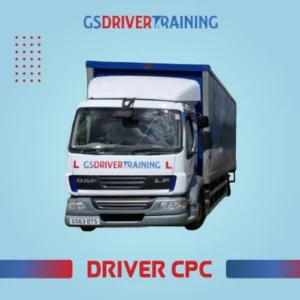
| Driver CPC periodic training | Professional drivers | Complete 35 hours periodic training every five years to maintain entitlement |
How to Apply for a Provisional HGV Licence Step-by-Step
Applying for provisional HGV entitlement is a sequential process: obtain a medical certificate confirming fitness, complete the appropriate application form or online process, and provide identity documentation and current driving licence details. Processing times vary, so start the medical and application concurrently to avoid delays; many candidates find booking lessons contingent on receiving provisional entitlement. Common pitfalls include missing documentation, incomplete forms or failing to disclose medical conditions that affect fitness to drive, which can cause refusal or delay. Following a clear, numbered set of actions streamlines the application and reduces uncertainty for both trainee and training provider.
- Book and complete the HGV medical examination and obtain the medical report.
- Complete the application for provisional entitlement using the correct DVLA form or online service.
- Submit proof of identity and current driving licence details and await confirmation before booking practical lessons.
Completing these steps in order prevents scheduling conflicts and ensures practical tests can be booked promptly.
What Does the HGV Medical Examination Involve?
The HGV medical is a focused assessment of fitness to operate heavy vehicles, typically including vision tests, blood pressure measurement, a review of medical history and any medications, and checks for conditions that could impair safe driving such as uncontrolled diabetes or certain neurological disorders. Examiners assess whether a condition is stable and manageable or requires disqualification or further investigation, and they advise on how to appeal or provide additional information if needed. Preparation tips include bringing eyewear, a list of medications and any relevant hospital or GP letters, and ensuring adequate sleep before the assessment to present typical readings. Understanding the scope of the medical helps candidates prepare practically and emotionally for the evaluation.
Where Can You Find the Best LGV Training Providers Near You?
Finding reputable LGV training providers involves checking accreditation, transparent pricing, up-to-date vehicle fleet condition and demonstrable pass-rate information; combining local searches with direct enquiries to training centres yields the best options. Major cities tend to have more providers and test centres, which reduces travel time and accommodation costs, while rural areas may require arranging concentrated block training or overnight stays for certain tests. Look for providers that offer clear course outlines, sample timetables and modular options so you can balance work and training commitments. The next paragraphs outline regional availability and provide a checklist for screening providers locally.
Which Training Centres Offer LGV Courses in Major UK Cities?
Training centre availability is strongest in urban hubs such as London, Manchester and Birmingham, where multiple accredited providers and nearby DVSA test centres allow flexible scheduling and faster test access. In these cities you can often book compact intensive courses that compress tuition into consecutive days, which suits candidates who need rapid qualification for imminent employment. Outside major cities, centres may offer flexible weekend or evening lessons to accommodate working trainees, but test dates can be further apart, so planning for travel or temporary accommodation may be necessary. Checking local test centre calendars early helps manage logistics and avoid delays.
What to Look for When Choosing an LGV Training Provider?
Selecting a provider requires evaluating instructor qualifications, fleet variety (rigid and articulated vehicles), clear pricing breakdowns and transparent pass-rate or success metrics; these factors indicate the provider’s ability to deliver effective, industry-relevant training. Reviews and word-of-mouth can highlight reliability and after-course support such as help with job placement or refresher lessons. Ask potential providers for a sample lesson plan and a clear cancellation and retest policy to avoid unexpected costs. Making an informed choice increases the chance of passing first time and reduces total training expenditure.
Quick checklist for provider selection:
- Confirm instructor qualifications and instructor-to-student ratios.
- Verify vehicle types and maintenance standards offered during training.
- Ask for sample schedules, pass rates and what is included in the price.
These checks reduce risk and improve training ROI for trainees and employers alike.
What Career Opportunities and Salary Expectations Follow LGV Training?
Completing LGV training opens a range of roles from local delivery driver to national HGV operator, with progression routes into specialist endorsements such as ADR (hazardous goods) and HIAB (vehicle-mounted crane) increasing earning potential. Market demand in 2024 remains strong in sectors like retail distribution, construction and home delivery, creating steady recruitment for newly qualified drivers. Salary expectations vary by licence class, experience and role: entry-level 7.5t drivers typically earn less than experienced long-haul C+E drivers, and overtime, shifts and specialist endorsements can substantially raise annual pay. Understanding sectoral demand and promotion pathways helps trainees prioritise which licence and endorsements to pursue next.
What Is the Current Demand for HGV Drivers in the UK?
Current labour market indicators show sustained demand for qualified HGV drivers across logistics, retail and construction, driven by e-commerce growth and supply-chain complexity; regional shortages persist in certain areas and specialisms. Employers increasingly value reliability, digital skills for route management, and completed Driver CPC training, so new entrants who demonstrate readiness and flexibility usually find rapid placement. Recruitment incentives such as sign-on bonuses and guaranteed hours appear in sectors facing acute shortages, but exact offers vary by region and employer. Preparing for these expectations through good attendance, additional endorsements and a clean driving record improves employability.
How Much Can You Earn as an LGV Driver in 2026?
Earnings for LGV drivers in 2024 vary widely: entry-level C1 or C drivers typically start at a basic wage that can be augmented by overtime and shift premiums, while experienced C+E drivers on long-haul contracts command higher rates due to extended hours and specialist skills. Specialist endorsements such as ADR or multi-drop urban delivery roles with tight time windows often attract premium pay. To boost income prospects, drivers should pursue additional qualifications, maintain an excellent on-road safety record and seek employers offering structured progression and training support.
Actions to increase earning potential:
- Gain additional endorsements (ADR, HIAB) to access specialist roles.
- Maintain high attendance and on-time delivery records to qualify for performance bonuses.
- Pursue Driver CPC refresher modules that match employer needs.
These practical steps help drivers translate training investment into sustained career advancement and higher pay.