Navigating Your LGV Training: Skills and Knowledge Needed
Are you struggling to meet LGV training demands? This article breaks down the training requirements and key driving skills needed to succeed. It outlines essential regulations, practical vehicle maintenance insights, and detailed theory and practical test preparation. The reader will gain clear guidance to overcome common obstacles and move forward confidently in their driving career.
About GS Driver Training: Your Trusted Partner in LGV Certification
At GS Driver Training, we are dedicated to providing comprehensive and high-quality LGV (Large Goods Vehicle) training across the UK. As a fully DVSA-accredited training provider, we pride ourselves on our commitment to excellence, safety, and student success. With over two decades of dedicated service in the logistics and transport sector, we have successfully guided thousands of aspiring drivers to achieve their LGV licences and embark on rewarding careers.
Our team comprises highly experienced and certified instructors who bring a wealth of practical knowledge and a patient, supportive approach to every training session. We understand that each learner is unique, and our programmes are designed to cater to individual needs, ensuring a thorough understanding of both theoretical concepts and practical driving skills. From initial provisional licence application support to advanced practical assessments, GS Driver Training is with you every step of the way.
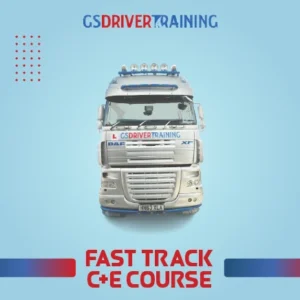
We maintain a modern fleet of well-maintained training vehicles, ensuring you learn in a safe and comfortable environment that mirrors real-world driving conditions. Our consistently high pass rates are a testament to our effective teaching methodologies and our unwavering focus on preparing you not just to pass your test, but to become a confident, competent, and responsible professional LGV driver. Trust GS Driver Training to be your expert guide on the road to a successful driving career.
Beyond the Basics: GS Driver Training's Unique Approach to LGV Success
While many guides cover the fundamentals, GS Driver Training offers distinct advantages rooted in our extensive experience and commitment to innovation. Our approach is designed to provide truly novel insights and a differentiated learning experience:
- Data-Driven Curriculum Development: Our 20+ years in the sector aren’t just numbers; they represent a rich dataset of what truly works. We continuously analyse DVSA feedback and test trends, integrating the latest requirements and common candidate pitfalls into our curriculum. This proactive adaptation ensures our students are prepared for the most current challenges, often before they become widespread knowledge.
- Adaptive Learning Pathways: Unlike generic programmes, our ‘Adaptive Learning Pathway’ begins with an initial assessment to identify your strengths and areas for development. This allows us to tailor your training, ensuring you focus on modules where you need the most support, optimising your learning time and investment.
- Instructor Expertise Beyond Certification: Our instructors are not just certified; they are seasoned industry veterans. Their real-world insights into complex logistics challenges, route optimisation, and advanced vehicle dynamics provide a depth of knowledge and practical advice rarely found elsewhere. They share invaluable ‘tricks of the trade’ that go beyond textbook theory.
- Proprietary Practical Simulation Modules: We’ve developed specific practical simulation modules that replicate challenging real-world scenarios, such as navigating complex urban environments, managing unexpected load shifts, or responding to adverse weather conditions. These controlled simulations allow for intensive practice and skill refinement in a safe environment.
- Post-Certification Career Support: Our commitment extends beyond passing your test. We offer guidance on career progression, industry networking, and understanding the nuances of professional LGV employment, leveraging our extensive connections within the logistics sector.
These unique elements are what give GS Driver Training students a distinct edge, preparing them not just to pass, but to excel in their LGV careers.
Understand the LGV Training Requirements and Regulations
Training for an LGV licence requires meeting age and medical standards, understanding legal requirements, and knowing available licence categories. The plan reviews theory tests, practical assessments, and ongoing compliance, addressing engine performance, driving test procedures, passenger safety, caravan transport, and driver cpc standards. Each element offers clear insights for those entering the LGV field.
Identify the Necessary Age and Medical Qualifications for LGV Training
Candidates for an LGV licence must adhere to established age limits and complete a thorough medical evaluation that examines physical condition and cognitive perception. Assessment procedures include multiple choice tests designed to verify understanding of driving regulations while complying with stringent industry policy.
Training providers clearly outline the fee structure and regulatory criteria to ensure every customer receives transparent guidance. Their expertise offers actionable insights that help candidates meet the necessary age and medical qualifications to progress confidently in LGV training.
Explore the Legal Requirements for Obtaining an LGV Licence
Candidates must adhere to established legal standards that govern the operation of a large goods vehicle, including strict criteria regarding vehicle weight and the safe handling of dangerous goods. The framework requires practical evaluation conducted by a skilled driving instructor, ensuring that drivers are prepared to manage various challenges, such as safely manoeuvring an ambulance in emergency situations.
Legislation mandates precise procedures for verifying a candidate’s ability to operate heavy vehicles, incorporating tests that focus on the safe transport of dangerous goods. This robust legal structure also emphasises the importance of comprehensive training, where expert guidance from a driving instructor reinforces a candidate’s understanding of vehicle weight restrictions and overall compliance requirements.
Learn About the Different Categories of LGV Licenses Available
Candidates can choose from various LGV licences that cater to distinct weight limitations and transport applications. The driver and vehicle standards agency provides guidance that assists aspiring truck drivers in understanding the requirements linked to logistics and commercial transport operations.
This structured approach enables individuals to select a licence that aligns with their career objectives and facilitates targeted training. Clear regulatory benchmarks help ensure that each candidate develops the necessary skills to manage vehicle weight and succeed in the transport sector.
Recognise the Importance of Theory Tests in LGV Training
The theory exam plays a crucial role in LGV training by assessing candidates on essential regulations and operational guidelines required for a safe and efficient license acquisition. This exam tests a candidate’s ability to manage vehicles weighing several tonnes, ensuring a sound grasp of industry management and legal integrity.
By focusing on key concepts and practical applications, the theory exam equips learners with firsthand insights that directly relate to real-world challenges. This assessment prepares candidates to confidently apply their knowledge in practice, forming a solid foundation for continued progress in their transport careers.
Understand the Role of Practical Assessments in Certification
Practical assessments hold a critical role in LGV certification, providing a real-world measure of a candidate’s driving proficiency. The evaluation is conducted under actual driving conditions, which enables instructors to gauge vehicle handling, response to road challenges, and adherence to safety procedures.
Experienced examiners deliver precise feedback, supporting candidates as they refine essential skills. This hands-on evaluation method reinforces safe driving practices while ensuring that each candidate meets the rigorous standards required for successful LGV training.
Familiarise Yourself With Ongoing Compliance and Regulations
Ongoing compliance and adherence to established regulations are crucial for candidates in LGV training, as this assists them in meeting industry expectations consistently. GS Driver Training encourages a proactive approach to understanding updates in vehicle safety measures and environmental policies, ensuring candidates are well-prepared for long-term career success.
The training framework includes regular updates on legislative changes that affect operational standards and driver protocols. Instructors offer clear, actionable insights so that learners can quickly adjust their practices, maintaining high safety standards while confidently navigating the transport sector.
Understanding the Investment: LGV Training Costs and Funding Options
Embarking on LGV training is a significant career step, and understanding the financial commitment involved is crucial. Costs can vary widely based on location, provider, and the specific licence category you pursue. This section provides a general overview of typical expenses and factors that can influence your overall investment.
Typical Cost Breakdown for LGV Training
While exact figures fluctuate, here’s a breakdown of common expenses you might encounter:
- Provisional LGV Licence Application: A standard fee for applying for your provisional licence.
- Medical Examination: Required by a doctor to confirm you meet the physical standards for LGV driving. Costs vary by practitioner.
- LGV Theory Tests: Includes Hazard Perception, Multiple Choice, and Case Studies. Each test has a separate fee.
- Practical Training Hours: This is often the largest expense. Training can be purchased in blocks or as part of a package. Prices vary significantly per hour or for intensive courses.
- Practical Driving Test: The official DVSA test fee for your practical LGV driving assessment.
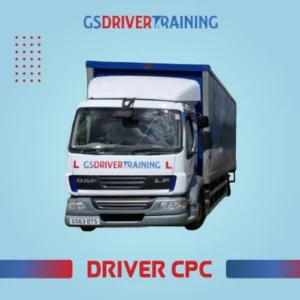
- Initial Driver CPC Qualification: If you plan to drive professionally, you’ll need to complete the Driver Certificate of Professional Competence (CPC) initial qualification, which includes two modules (Module 2: Case Studies and Module 4: Practical Demonstration).
- Periodic Driver CPC Training: Professional drivers must complete 35 hours of periodic CPC training every 5 years.
Factors Influencing Your LGV Training Costs
Several elements can impact the total cost of your LGV training:
- Licence Category: Different categories (e.g., C1, C, C+E) have varying training requirements and thus different costs.
- Training Provider: Reputable schools with experienced instructors and modern fleets may charge more, but often offer higher pass rates and better quality training.
- Geographic Location: Training costs can differ between urban and rural areas, and across different regions of the UK.
- Course Structure: Intensive, fast-track courses might have a higher upfront cost but can get you qualified quicker. Flexible, part-time options might spread the cost but take longer.
- Retake Fees: If you need to retake any theory or practical tests, these additional fees will increase your overall expenditure.
- Additional Resources: Costs for study materials, apps, or extra practice sessions.
Potential Funding and Support for LGV Training
Don’t let the costs deter you. Various options might be available to help fund your LGV training:
- Government Schemes: Check for any current government-backed initiatives or grants aimed at addressing driver shortages.
- Employer Sponsorship: Many logistics and transport companies offer to fund or subsidise LGV training for new recruits or existing employees.
- Personal Loans/Finance: Some training providers offer finance options, or you might consider a personal loan.
- Apprenticeships: LGV driver apprenticeships can provide a structured pathway to qualification, often with training costs covered.
Choosing Your Training Partner: Finding the Right LGV Provider
Selecting the right LGV training provider is as critical as the training itself. A good provider will not only equip you with the necessary skills but also support you through the entire process, from provisional application to passing your final test. Here’s what to look for and how to find reputable centres.
Key Considerations When Selecting a Provider
To ensure you receive high-quality training and value for money, consider these factors:
- DVSA Accreditation: Ensure the training centre and its instructors are approved by the Driver and Vehicle Standards Agency (DVSA).
- Instructor Experience and Qualifications: Look for highly experienced instructors with a proven track record and excellent communication skills.
- Pass Rates: While not the only factor, consistently high pass rates can indicate effective teaching methods and quality instruction.
- Vehicle Fleet Quality: Modern, well-maintained training vehicles that are representative of what you’ll drive professionally can enhance your learning experience.
- Course Flexibility: Does the provider offer intensive courses, flexible scheduling, or weekend options to fit your availability?
- Transparency of Fees: A reputable provider will have clear, upfront pricing with no hidden costs. Ask for a detailed breakdown.
- Customer Reviews and Testimonials: Check online reviews and ask for testimonials from previous students to gauge satisfaction.
- Support Services: Do they assist with provisional licence applications, theory test booking, or job placement after qualification?
Locating Reputable Training Centres Near You
Finding a local, trustworthy LGV training provider is essential for convenience and effective learning:
- DVSA Approved Training Provider Search: The official DVSA website often has a tool to find approved training centres in your area.
- Online Search Engines: Use specific search terms like “LGV training [your town/city]” or “HGV licence courses [your county]”.
- Local Directories and Business Listings: Check local business directories or online maps for nearby training schools.
- Industry Recommendations: Speak to current LGV drivers or professionals in the logistics sector for their recommendations.
- Visit Open Days: If available, attending an open day allows you to see the facilities, meet instructors, and inspect the vehicles firsthand.
- Compare Quotes: Contact several providers to compare course offerings, prices, and availability before making a decision.
From Ambition to Achievement: A GS Driver Training Success Story
At GS Driver Training, we measure our success by the achievements of our students. While every journey is unique, the story of ‘Mark’ exemplifies the transformative power of dedicated training and support:
Mark, a 38-year-old former delivery driver, harboured a long-standing ambition to upgrade his licence and enter the lucrative world of HGV driving. He was initially apprehensive about the rigorous theory tests and the sheer scale of operating a large goods vehicle, particularly the complex manoeuvring required for a Category C+E licence.
Upon enrolling with GS Driver Training, Mark benefited from our personalised ‘Adaptive Learning Pathway’. Our instructors identified his strong practical aptitude but also areas where he needed to build confidence, particularly in hazard perception and advanced vehicle control. Through a combination of our proprietary online theory resources and intensive one-on-one practical sessions in our modern fleet, Mark’s confidence soared.
He particularly valued the detailed feedback after each practical session, which included video analysis of his driving, a unique offering that allowed him to visually pinpoint areas for improvement. Our focus on real-world scenarios, such as navigating tight industrial estates and managing diverse load distributions, prepared him thoroughly.
Within a focused 10-week programme, Mark not only passed all his theory tests with high scores but also achieved his Category C+E licence on his first attempt. Shortly after, leveraging the career support and industry connections provided by GS Driver Training, he secured a position as a long-haul driver for a major logistics firm, fulfilling his career ambition. Mark’s story is just one example of how our tailored approach and commitment to excellence translate into tangible success for our students.
Ready to Start Your LGV Journey?
Take the first step towards a rewarding career in logistics. Find a trusted training provider and get on the road to success!
Master the Essential Driving Skills for LGV Proficiency
GS Driver Training focuses on developing skills for vehicle handling and manoeuvring while teaching effective techniques for managing blind spots. Emphasis is placed on safe braking and acceleration, load securing and weight distribution, driving in diverse weather conditions, and practising defensive driving strategies, ensuring comprehensive preparation for real-world LGV operation.
Develop Skills for Vehicle Handling and Manoeuvring
GS Driver Training provides candidates with practical instruction to refine their vehicle handling and manoeuvring skills. Instructors focus on controlling vehicle size through careful wheel-to-wheel guidance, ensuring that learners gain proficiency in steering and positioning during tight situations.
The training sessions offer clear techniques for managing lane changes and complex turning scenarios. Experienced professionals share practical advice that helps candidates build confidence and competence, aligning with the standards required for LGV training.
Learn Effective Techniques for Managing Blind Spots While Driving
GS Driver Training equips candidates with clear strategies to manage blind spots effectively during LGV operation. Instructors demonstrate precise mirror adjustments and vehicle positioning techniques to ensure every driver maintains continuous situational awareness. These practical methods support safe manoeuvring in complex driving scenarios.
Experienced professionals guide learners to adopt controlled techniques when changing lanes and verifying their surroundings. This training method helps drivers identify areas that require extra caution and builds confidence in operating large vehicles safely. The emphasis on consistent mirror checks and careful observation contributes to overall driving proficiency.
Understand the Significance of Safe Braking and Acceleration
Safe braking and measured acceleration are key components of effective LGV training, ensuring that drivers maintain optimal control over their vehicles. GS Driver Training emphasises hands-on practice to cultivate precise vehicle management skills, preparing candidates to respond confidently to varied road scenarios.
Controlled braking minimizes stopping distances and prevents loss of momentum, while regulated acceleration helps maintain stability during heavy loads. Instructors offer practical guidance to support drivers in applying these techniques, contributing to safer, more assured performance on the road.
Improve Your Understanding of Load Securing and Weight Distribution
In practical courses, GS Driver Training provides clear instruction on secure load placement and precise weight distribution. Experienced trainers demonstrate techniques that ensure vehicles remain stable and responsive under varying load conditions, allowing candidates to apply these methods confidently during their LGV driving exercises.
Candidates benefit from targeted guidance on balancing vehicle loads while adhering to industry protocols. Hands-on sessions and expert feedback help learners adapt their approach to different cargo scenarios, ultimately building a foundation of safe and controlled driving skills.
Hone Skills for Driving in Various Weather Conditions
Weather conditions play a critical role in LGV training, with instructors guiding candidates through realistic scenarios such as rain or high winds to improve decision-making and vehicle control. Practical exercises in diverse climates help learners develop a measured approach to maintaining safety on the road.
GS Driver Training incorporates targeted sessions that replicate adverse weather, ensuring that every driver gains hands-on experience with reduced visibility and slick surfaces. This strategic practice builds competence, enabling drivers to manage challenging environments confidently while adhering to industry standards.
Practice Defensive Driving Strategies for LGV Operators
GS Driver Training stresses the necessity of adopting defensive driving techniques during LGV training, ensuring operators can anticipate and react to unexpected road conditions with precision. The approach focuses on real-life practice, allowing learners to develop quick response strategies and maintain optimal control under varying traffic situations.
Practical sessions simulate challenging scenarios where operators must implement proven defensive driving methods to mitigate risks on the move. This hands-on experience reinforces safe driving practices, instilling confidence and refining skills essential for managing heavy vehicle dynamics effectively.
Acquire Knowledge on Vehicle Maintenance for LGVs
This section outlines key aspects of LGV maintenance. It covers essential maintenance checks, methods for daily safety inspections, the role of regular servicing and repairs, and monitoring common issues during operation. It also addresses emergency repair procedures and updates on vehicle safety legislation, providing practical insights for long-term vehicle performance.
Recognise the Key Maintenance Checks for LGV Vehicles
It is vital to check critical vehicle aspects such as braking efficiency, tyre condition, and lighting systems to ensure optimum safe operation. GS Driver Training demonstrates practical methods that allow candidates to routinely inspect these key components and meet stringent industry requirements.
Regular assessment of engine performance and fluid levels forms the backbone of reliable LGV maintenance. Instructors provide actionable techniques that help drivers identify early signs of wear, supporting a proactive approach to vehicle upkeep and enhancing overall safety on the road.
Learn How to Conduct Daily Vehicle Safety Inspections
Conducting a daily vehicle safety inspection serves as a practical measure to ensure each LGV maintains its operational integrity. Drivers are advised to check fundamental components such as brakes, tyres, lights, and fluid levels, confirming that the vehicle meets safety standards before starting a journey.
Practical guidance from GS Driver Training highlights the benefit of a thorough walk-around inspection, allowing drivers to detect early signs of wear or potential faults. This routine assessment supports consistent maintenance and helps confirm that all critical elements are in proper working order for secure operations.
Understand the Importance of Regular Servicing and Repairs
Regular servicing and repairs play a crucial role in maintaining optimal performance for LGV vehicles. Routine maintenance checks not only extend the lifespan of the vehicle but also ensure that safety standards are upheld, reducing the risk of unexpected breakdowns on the road.
Professional inspections and repairs offer actionable guidance to identify and address potential issues before they become major problems. Such practices help drivers maintain operational efficiency and support a proactive approach to vehicle reliability through systematic upkeep.
Identify Common Issues to Monitor During Vehicle Operation
GS Driver Training emphasises monitoring tyre wear, brake efficiency, and fluid levels as common issues during vehicle operation. This practice enables operators to note early signs of mechanical problems and ensure the vehicle consistently meets safety standards.
Regular checks on engine performance and suspension system stability play a vital role in maintaining efficient LGV operation. GS Driver Training advises that careful inspection of these areas allows drivers to implement prompt repairs and maintain reliable transport performance.
Familiarise Yourself With Emergency Repair Procedures
GS Driver Training ensures that emergency repair procedures become an integral part of vehicle maintenance training to address unexpected issues swiftly. The training incorporates real-world scenarios that prepare candidates to take immediate action, confirming the vehicle’s continued safety and functionality. Practical demonstrations help learners manage minor malfunctions during LGV operation without compromising safety.
Instructors emphasise regular practice of emergency protocols so candidates become confident in performing essential repairs. The approach provides clear guidance on identifying fault areas, ensuring that drivers know how to act promptly during unforeseen breakdowns. This hands-on experience equips learners with the necessary skills to maintain LGV reliability in challenging situations.
Keep Updated on Legislation Regarding Vehicle Safety Standards
Keeping abreast of current vehicle safety legislation supports operators in maintaining clear standards for LGV maintenance. GS Driver Training provides professionals with the latest insights and practical advice on legislative updates, ensuring that every driver is well-prepared to meet the evolving safety requirements.
Staying informed about legislative changes allows for timely adjustments in maintenance practices and operational procedures. With access to regular updates from experienced instructors, candidates gain a solid understanding of vehicle safety legislation and its direct impact on effective LGV management.
Explore the Theoretical Knowledge Required for LGV Training
GS Driver Training outlines the theoretical knowledge essential to LGV training. Candidates will study traffic laws, LGV road rules, tachograph regulation use, and vehicle dimensions, while evaluating road type impacts and driver behaviour for road safety. This segment offers expert insights, presenting a clear overview to support professional development in LGV operations.
Study the Importance of Traffic Laws and Regulations
Traffic laws form the essential framework that guides every aspect of LGV training. Understanding these regulations equips candidates with the clarity needed to apply safe driving practices and navigate varied road conditions confidently.
Grasping legal standards and operational rules allows drivers to optimise vehicle performance and adhere strictly to safety protocols. Expert instruction ensures that candidates learn how to implement these rules practically, reinforcing their competence in managing large goods vehicles.
Understand the Rules of the Road Specific to LGV Operations
Understanding the rules of the road in LGV operations is fundamental for candidates, ensuring they gain clarity on maintaining safety and practical compliance on busy roadways. GS Driver Training provides detailed instruction on statutory requirements and vehicle handling, which helps build confidence in adhering to critical traffic guidelines.
The training includes a focused examination of legal parameters suchs as vehicle dimensions, speed restrictions, and manoeuvring practices, all of which are essential for safe operations. Real-world examples and expert insights guide learners to apply these standards effectively, reinforcing their ability to navigate complex road situations with assurance.
Learn About Tachograph Regulations and Usage
GS Driver Training provides clear instruction on the use and regulation of tachograph devices, ensuring that candidates gain a solid understanding of legal requirements. The training explains the methodical process of recording driver activity with these instruments, supporting safe operations and adherence to established standards.
The course emphasises practical aspects of tachograph usage, guiding learners through the correct installation and maintenance procedures. This approach helps candidates avoid compliance issues while maintaining accurate records that are critical for high-level operational safety in LGV environments.
Familiarise Yourself With Vehicle Dimensions and Restrictions
Understanding vehicle dimensions is a vital aspect of LGV training, requiring candidates to interpret specific measurements and associated restrictions. This knowledge helps operators adjust their driving techniques and secure loads safely within regulated limits.
Instruction during LGV training includes examining numerical standards that define vehicle width, height, and weight. Practitioners benefit from clear guidance on these restrictions, enabling them to maintain road safety and meet industry protocols effectively.
Explore the Impact of Road Types on LGV Driving
The training emphasises that different road types present varied challenges for LGV operation. Understanding the impact of urban, rural, and motorway conditions allows candidates to adjust their driving techniques to maintain safety and control in every environment.
Experienced instructors at GS Driver Training share actionable insights that help drivers adapt to changing road conditions. This practical knowledge guides learners in refining their manoeuvring skills and applying appropriate speed control measures across diverse road settings.
Recognise the Significance of Driver Behaviour in Road Safety
Driver behaviour holds a central role in maintaining road safety during LGV operations. At GS Driver Training, candidates are taught that disciplined actions and adherence to traffic rules directly contribute to a secure and efficient driving environment.
Experienced instructors demonstrate how thoughtful decision-making and measured responses in various driving scenarios can reduce risks on the road. Practical exercises allow learners to apply their theoretical knowledge, reinforcing the importance of consistent and safe driving practices.
Prepare for the LGV Theory and Practical Tests
Candidates develop a clear study plan and utilise practice tests to assess LGV theory knowledge. They gain practical advice for passing the driving test, learn what assessors expect, gather essential revision resources, and schedule tests efficiently to minimise delays. This approach ensures a structured and effective preparation for successful LGV certification.
Create a Study Plan for the LGV Theory Test
GS Driver Training recommends that candidates structure their study plan by clearly allocating time for each subject area, including traffic laws, vehicle dimensions, and tachograph regulations. A well-organised approach supports efficient learning and helps learners concentrate on topics critical to passing the LGV theory test.
Establishing a detailed revision schedule enables drivers to track their progress and address areas that require further attention. GS Driver Training experts advise incorporating practice tests into the study plan to provide timely feedback and reinforce understanding of the theoretical content.
Utilise Practice Tests to Gauge Your Knowledge Level
Utilising practice tests offers candidates a practical method to assess their grasp of essential LGV theory and driving regulations. The approach provides clear feedback, allowing candidates to pinpoint strengths and address any gaps in their understanding before the official assessments.
Regularly engaging with practice tests builds confidence and refines knowledge for LGV training. Instructors at GS Driver Training highlight that this routine practice equips candidates with actionable insights, ensuring a smooth transition from theoretical learning to practice in real-world driving conditions.
Learn Effective Tips for Passing the Practical Driving Test
When preparing for the practical driving test, candidates benefit from structured sessions led by skilled instructors who emphasise hands-on experience. Focused practice on manoeuvring, precise braking, and observing mirror techniques helps drivers build the competence needed to meet the exam standards successfully.
Insight from experienced professionals aids candidates in adjusting their approach based on performance feedback. Regular sessions concentrating on gear control, speed management, and proper positioning enable learners to confidently demonstrate the essential skills required during the practical assessment.
Understand What Assessors Look for in Driving Performance
Experienced assessors in LGV training focus on a candidate’s ability to demonstrate precise vehicle control and adherence to driving performance standards during practical evaluations. They prioritize safe manoeuvring, correct gear usage, and thorough mirror checks to ensure the driver can tackle real-world road challenges with confidence.
Assessors also inspect how well candidates respond to dynamic traffic situations, emphasizing clear communication and control throughout varied road conditions. This direct approach enables driving instructors to provide actionable feedback, helping learners refine their skills and meet the stringent requirements of LGV assessments.
Gather Resources for Test Preparation and Revision
GS Driver Training recommends collecting comprehensive materials, including revision guides and interactive practice tests, to cover the complete LGV theory curriculum. This focused approach helps candidates identify challenging areas and build a solid understanding of the subject matter.
Experienced instructors encourage the use of current online platforms and community forums to supplement traditional study resources. Such practical tools offer learners immediate feedback and support, ensuring a well-rounded preparation for both theory and practical assessments.
Schedule Your Tests Efficiently to Minimise Delays
Efficient scheduling of LGV assessments plays a crucial role in streamlining the training journey, allowing candidates to secure theory and practical tests without unnecessary delays. This approach supports a consistent progression in skills development and encourages timely feedback from expert instructors.
Timely appointments contribute to a structured training plan, enabling learners to effectively manage study sessions and practical exercises. By scheduling tests in advance, candidates can maintain momentum in their learning process and avoid setbacks on the path to LGV certification.
Enhance Your Skills Through Continued Professional Development
Enhancing skills through ongoing training supports a successful career in LGV operations. Access opportunities via targeted training courses, stay updated on industry changes, and build networks through professional associations. Practical workshops and advanced certifications further develop driving skills, providing clear benefits in professional growth and career progression.
Discover Opportunities for LGV Driver Training Courses
GS Driver Training offers a range of LGV driver training courses that provide practical instruction and expert guidance to improve driving skills. These courses enable candidates to refine manoeuvring techniques, apply safe driving practices during extended operations, and efficiently manage vehicle compliance requirements.
Opportunities for advanced LGV training focus on hands-on experiences and real-world driving exercises, ensuring that learners can adapt to various road conditions. Candidates benefit from structured programmes that combine theoretical insights with practical applications to enhance their professional development and operational readiness.
Stay Informed About Industry Changes and Updates
GS Driver Training monitors the latest regulatory adjustments and technological advancements that influence LGV training, ensuring operators refine their skills with up-to-date industry insights. Expert briefings and focused workshops enable candidates to adapt their practices swiftly to changes and improve safety protocols.
Staying informed through industry newsletters and targeted seminars provides practical updates on vehicle safety legislation and compliance standards. This approach helps drivers maintain a proactive stance in their professional development and navigate new requirements with confidence.
Join Professional Associations for Networking and Support
Membership in professional associations offers LGV training candidates a practical platform to connect with industry experts and peers, promoting clear communication and shared experiences. These associations organise events that provide valuable updates on new regulations and trends in transport, ensuring members remain informed and confident in their career path.
By engaging with these groups, individuals gain access to targeted support and mentorship, facilitating a smoother transition into professional roles. This collaborative environment enables candidates to exchange actionable insights that enhance both their training and real-world driving skills.
Attend Workshops to Enhance Specific Driving Skills
Industry experts conduct focused workshops that help candidates master precise driving techniques and improve their operational skills. These sessions provide hands-on practice and targeted feedback, allowing learners to refine manoeuvring and control while managing heavy vehicles under realistic conditions.
During workshops, instructors share actionable insights that enhance practical skills essential for efficient LGV operation. Participants benefit from guided real-world scenarios and expert advice, ensuring they build the competence required to manage vehicle performance safely and effectively.
Explore Advanced Driving Certifications for LGV Operators
Advanced driving certifications offer LGV operators specialised training that enhances their manoeuvring skills and deepens their understanding of safety protocols. These certifications encourage professionals to refine their driving techniques while adapting to evolving industry standards.
The process of obtaining advanced certifications provides practical hands-on experience that addresses common challenges in truck operation. This focused training equips drivers with actionable insights and improved operational efficiency, supporting their long-term career growth.
Understand the Benefits of Ongoing Training in Your Career
Continuing professional development fosters improved driving skills and ensures that candidates remain updated with current LGV standards. Ongoing training enables drivers to refine practical abilities, leading to heightened safety and efficient vehicle control.
Regular engagement in advanced training programmes supports steady career progression in the transport sector. This approach equips operators to adjust to regulatory changes and technological advancements, ensuring they maintain high operational standards.
The Road Ahead: Preparing for the Future of LGV Driving
The logistics sector is in constant evolution, driven by technological advancements, environmental concerns, and shifting regulatory landscapes. At GS Driver Training, we believe in preparing our drivers not just for today’s roads, but for tomorrow’s challenges. Our forward-thinking approach integrates insights into emerging trends that will shape the future of LGV operations:
- Telematics and Data-Driven Driving: The era of connected vehicles is here. Future LGV drivers will increasingly need to understand and interpret telematics data to optimise fuel efficiency, predict maintenance needs, and enhance overall safety. Our training incorporates practical exercises with modern telematics simulations, moving beyond basic vehicle operation to data-informed driving.
- Electric and Alternative Fuel Vehicles: The push towards greener logistics means a growing fleet of electric, hydrogen, and other alternative fuel LGVs. Familiarity with the unique operational characteristics, charging/refuelling infrastructure, and maintenance requirements of these vehicles will become essential. We are actively developing modules to prepare drivers for this significant industry shift.
- Advanced Driver-Assistance Systems (ADAS): While fully autonomous LGVs are still some way off, ADAS features like adaptive cruise control, lane-keeping assist, automatic emergency braking, and blind-spot monitoring are becoming standard. Training will increasingly focus on how to effectively utilise, monitor, and override these systems, ensuring human oversight remains paramount and drivers can leverage technology safely.
- Sustainable Logistics Practices: Beyond vehicle types, drivers will play a crucial role in sustainable operations. This includes understanding eco-driving techniques, route optimisation for reduced emissions, and efficient waste management protocols. Our curriculum integrates these principles to foster environmentally responsible professionals.
- Enhanced Digitalisation of Operations: From digital consignment notes to advanced route planning apps, the administrative side of LGV driving is becoming increasingly digital. Proficiency with these tools will streamline operations and improve efficiency, a skill we emphasise in our comprehensive training.
By staying ahead of these trends, GS Driver Training ensures its graduates are not only qualified but also future-proofed, ready to adapt and thrive in the evolving world of LGV transport.
Conclusion
LGV training sharpens crucial skills while forging a deep understanding of regulations and vehicle management. The program focuses on both theoretical learning and practical assessments to build a comprehensive skill set. GS Driver Training imparts actionable strategies that help candidates navigate challenging road scenarios confidently. This targeted approach ensures that drivers attain a high level of safety and professional competence in the transport sector.